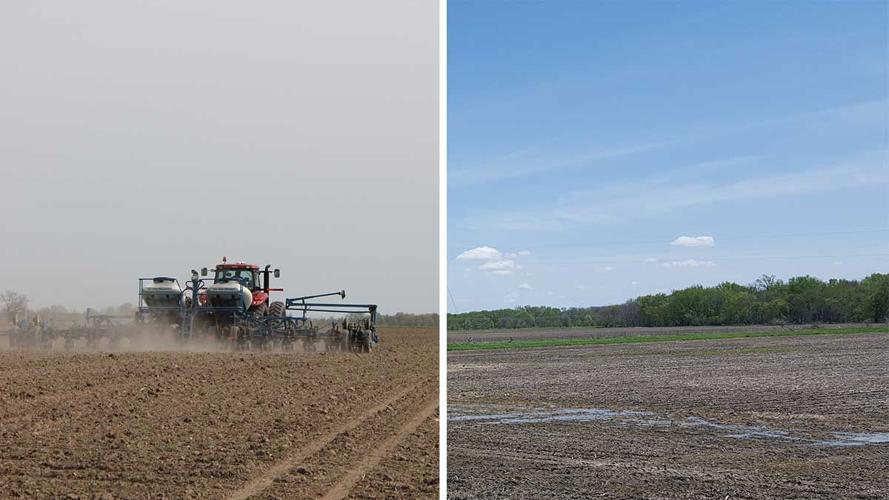

In a pattern similar to last spring, farmers in the western Corn Belt could use some precipitation, while those to the east could use some drier soils. The map shows precipitation totals for Feb. 15 through March 16.

E-edition PLUS unlimited articles & videos

Personalized news alerts with our mobile app

*FREE access to newspapers.com archives

Hundreds of games, puzzles & comics online
*Refers to the latest 2 years of agupdate.com stories. Cancel anytime.
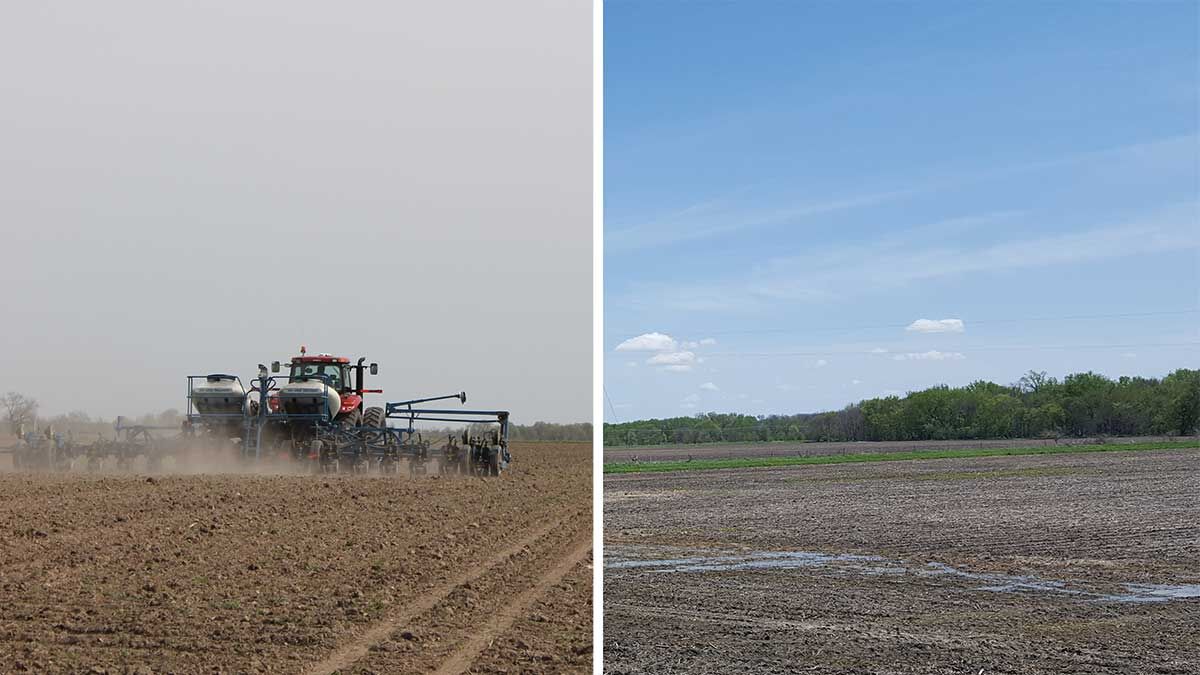
In a pattern similar to last spring, farmers in the western Corn Belt could use some precipitation, while those to the east could use some drier soils. The map shows precipitation totals for Feb. 15 through March 16.
Map courtesy Midwest Regional Climate CenterGet local news delivered to your inbox!

{{description}}
Email notifications are only sent once a day, and only if there are new matching items.

The United States produces approximately $300 billion a year in agricultural commodities, and all of that is vulnerable to climate change.

URBANA, Ill. — A deep well of curiosity and persistence motivates researchers to push for more innovation in corn seeds.

COLUMBIA, Mo. — The cost of hiring fieldwork in Missouri has risen an average of 9% since 2023, according to an update to University of Missou…

Editor’s note: The following was written by Krista Ehlert, associate professor and South Dakota State University Extension range specialist, f…
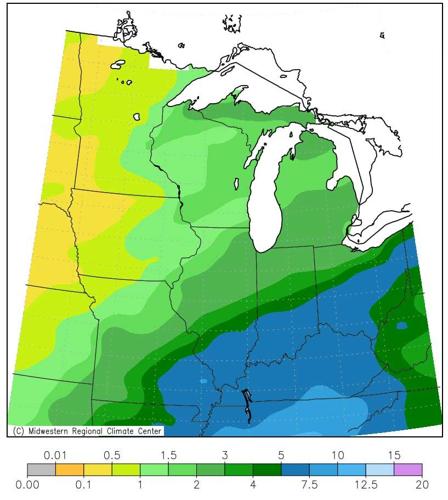
In a pattern similar to last spring, farmers in the western Corn Belt could use some precipitation, while those to the east could use some drier soils. The map shows precipitation totals for Feb. 15 through March 16.
Get up-to-the-minute news sent straight to your device.