





How corn can impact rhizobiomes and which hybrids produce sufficient root exudates to tackle challenging growing conditions is the aim of researchers at the University of Nebraska-Lincoln. They’re examining how 200 varieties of corn respond to various soil conditions such as water stress and reduced nitrogen levels.
Home-built scanner keeps corn study moving
1 of 3

Brandi Sigmon operates a corn-ear scanner she built at home during the COVID-19 pandemic. The University of Nebraska plant pathologist is producing 2D and 3D scans of more than 2,000 ears of 200 varieties of corn for a research study. The visual record shows ear development according to nitrogen rates applied. She is assisted by her son, Wyatt Mote, 7.
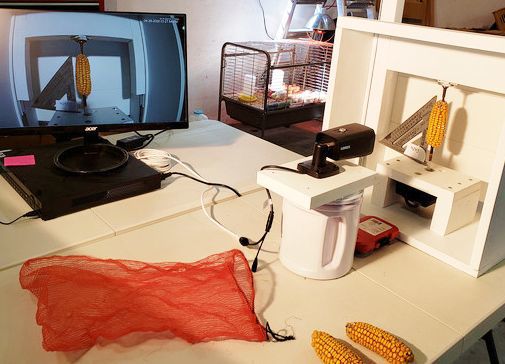
The homemade corn-ear scanner is based on blueprints provided by Oregon State University. Brandi Sigmon had been planning to build the device since learning about its capabilities at a conference in March 2019. University of Nebraska-Lincoln campus closures due to COVID-19 allowed her the time to complete the project.

Most Popular

If you have ever been "hangry" -- a portmanteau for hungry and angry -- then you know what it is like to be irritable, bad-tempered or easily …

A Lethbridge Polytechnic researcher has been recently recognized nationally for his contributions in developing a lesser-cost, less-wasteful c…

