





Two years after the Civil War ended, in 1867, the nation’s wounds were still fresh. Families and communities were broken due to internal political conflict. But many people wanted to heal. That environment of hurt and hope, national tragedy and longing for a better future gave rise to an organization that became a national movement. That organization is known as the National Grange of the Order of Patrons of Husbandry – the National Grange. It’s the oldest American agricultural-advocacy group with a national scope.
History of the National Grange
1 of 2
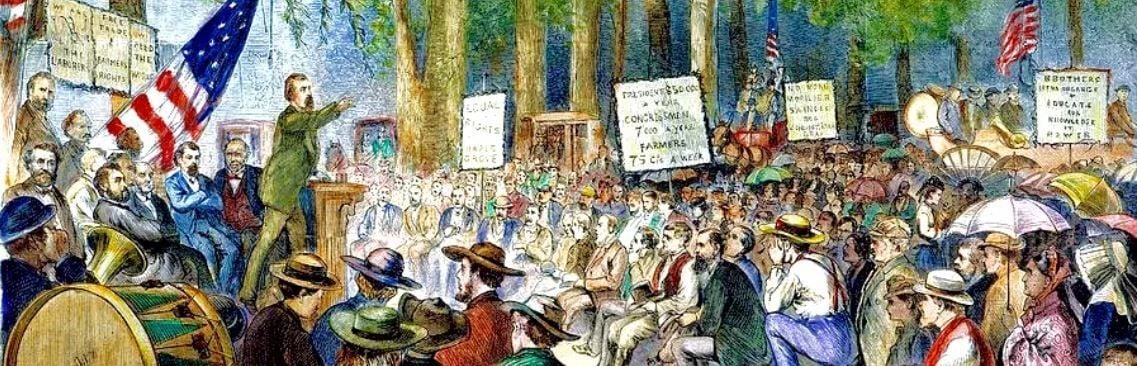
The State Grange of Minnesota was officially organized by Minnesota farmer Oliver Hudson Kelley. Representatives from nine Community Granges gathered Feb. 23, 1869, in St. Paul, 15 months after he and six friends formed the National Grange of the Order of Patrons of Husbandry in Washington, D.C. Kelley was a prominent and progressive farmer from Elk River, Minnesota, working for the newly founded Department of Agriculture with a vision of uniting American farmers under a collective voice.
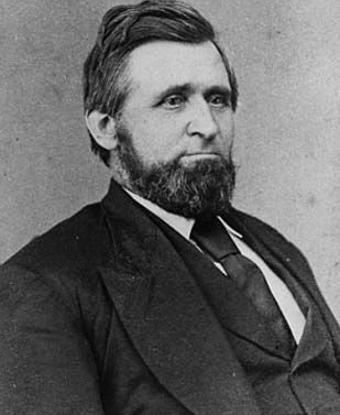
'I suggest the project of organizing an order to embrace in its membership those persons interested in cultivating the soil. I should make it a secret order, with several degrees, and signs and passwords. The lectures in each degree should be practical, appertaining to agricultural work, and at the same time convey a moral lesson. While the order would aim to advance agriculture to a higher rank, by encouraging education, it would at the same time naturally embrace the benefits to its members guaranteed by Masonry. Every tool used by farmers and gardeners could be emblems of the order in some degree, and each convey a practical and moral lesson.' Oliver Hudson Kelley, August 1867
